Professional Aquatic Courses for Every Ages and Skill Levels
Professional swimming lessons cater to a diverse audience, accommodating all ages and skill levels. They offer structured guidance that improves both skill development and safety in the water. Instructors customize their approach, addressing the unique needs of each participant. This focus not only develops essential techniques but also fosters confidence. Grasping the full scope of benefits and challenges in swimming lessons can influence one's experience in profound ways. What might those insights uncover?
The Positive Outcomes of Professional Swimming Lessons
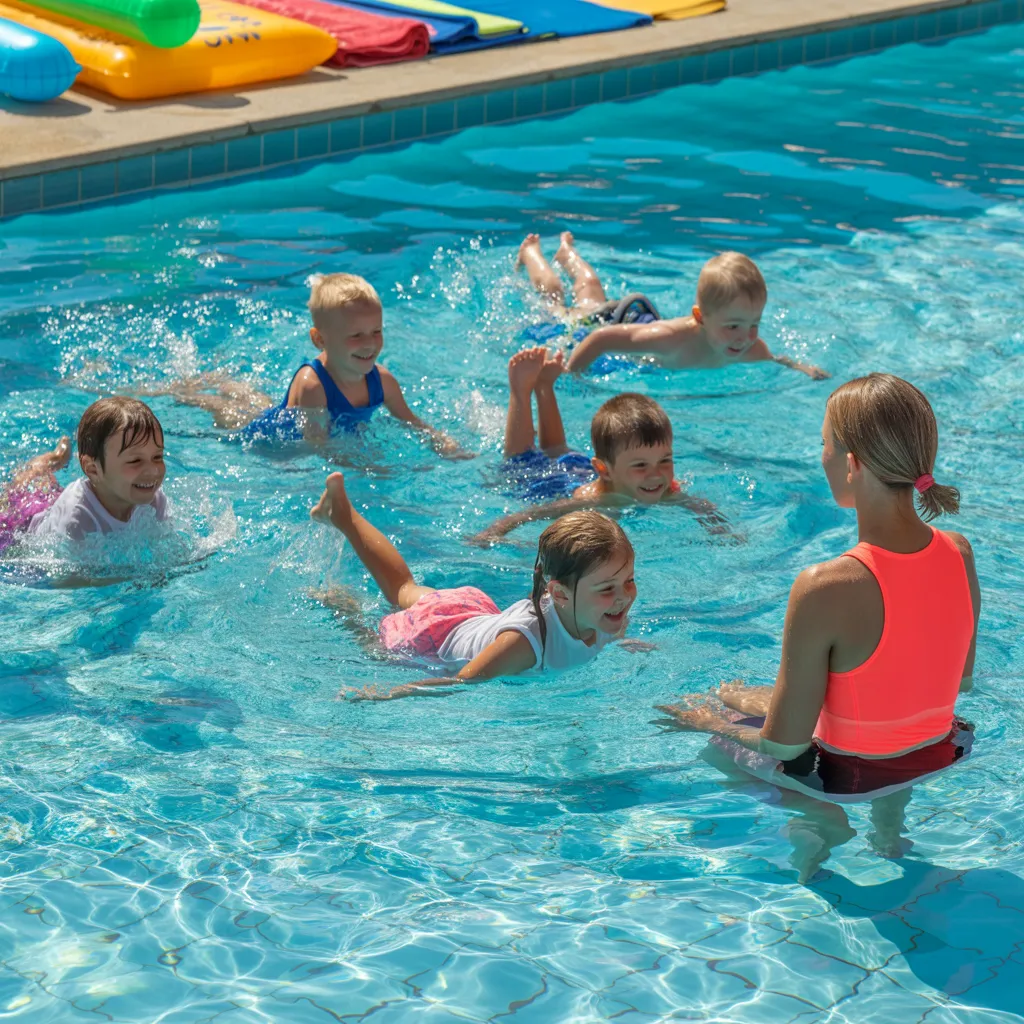
Although many people might view independent swim learning as a feasible alternative, the benefits of professional instruction are undeniable. Collaborating with professional coaches delivers systematic guidance that boosts educational efficiency. Experts can evaluate individual swimming abilities and customize sessions accordingly, guaranteeing that instruction addresses specific needs. Safety is also essential advantage; licensed instructors demonstrate essential techniques to lessen hazards, especially for newcomers.
Additionally, professional lessons promote a disciplined environment, advancing consistent practice and accountability. Instructors commonly introduce various swimming styles and techniques that self-taught individuals might miss, broadening students' skills. Additionally, group lessons support social interaction, which can boost motivation and enjoyment. Finally, professional swimming lessons often feature progress tracking, allowing individuals to see their improvements over time. Overall, these lessons not only develop swimming skills but also cultivate confidence, making them a worthwhile investment for learners of all ages.
What You'll Encounter During Your Initial Swim Lesson
Starting their first swimming lesson, individuals can expect a organized overview to swimming basics. Teachers typically start with a overview of safety guidelines and pool etiquette, making certain that learners feel secure in the aquatic environment. Following this, learners are led through fundamental techniques, including floating, leg movements, and simple arm strokes.
Throughout the training, instructors stress the significance of breathing techniques and posture, using practical shows and direct guidance to promote skill development. Attendees can anticipate a supportive atmosphere, where input is helpful and tailored to their individual needs.
As the lesson progresses, swimmers may engage in simple drills to develop confidence and body control. The session usually concludes with a review of what was learned, fostering a sense of accomplishment and readiness for future lessons. This initial experience sets the groundwork for further ability improvement and enjoyment in the water.
Selecting the Ideal Swimming Program for You
What method should a person use when choosing a swimming program suited to their preferences? People must initially assess their present ability level and individual goals, whether they're learning basic techniques, increasing endurance, or training for competitive events. Investigating nearby centers and what they provide is important; courses commonly vary in structure, duration, and trainer credentials.
Next, prospective attendees should consider the age range and class size. Smaller groups generally provide more focused support, particularly vital for beginners. Additionally, verifying certifications and experience of the teachers can ensure quality training.
Finally, touring the facility to evaluate the atmosphere and talk to staff can offer useful insights. This holistic approach will assist individuals select a swim class that not only fits their skill level but also corresponds to their personal objectives, ensuring a rewarding learning experience.
Key Swimming Methods Every Novice Should Master
When starting to swim, beginners must emphasize essential techniques that lay the foundation of their skills. Vital areas include mastering proper body alignment, understanding effective breathing techniques, and mastering the fundamentals of stroke mechanics. These aspects are crucial for building confidence and competence in the water.
Body Positioning Basics
Beginners aiming to improve their swimming skills must master posture, which is crucial. Proper alignment while in the water can boost speed and efficiency greatly. Focusing on maintaining a horizontal position is necessary, assuring the body remains streamlined to minimize drag. The head should be neutral, with eyes directed downward to support natural spinal alignment. Additionally, a slight tilt downward of hips and legs helps that they float just below the surface, reducing unnecessary resistance. Arm placement plays a vital role; they should be fully extended in front during strokes to aid a balanced position. By understanding these fundamentals, swimmers can form a solid comprehensive guide foundation, which results in more advanced technique development as they move forward in their training. Overall, good body positioning significantly influences impact on swimming performance.
Core Breath Techniques Essentials
Breathing methods play an essential role in a swimmer's ability to maintain stamina and effectiveness in the water. For beginners, mastering correct breathing is important to achieving a fluid and effective stroke. Swimmers should learn to exhale underwater, allowing for a quick and unobtrusive inhalation when their head turns to the side. This method not only conserves energy but also reduces resistance. Additionally, practicing rhythmic breathing promotes relaxation and helps maintain a steady pace. Timing is critical; inhaling too early or late can disrupt stroke flow. Beginners are encouraged to focus on bilateral breathing, which balances their stroke and enhances overall body coordination. Consistent practice of these techniques lays a strong foundation for future swimming progress.
Stroke Mechanics Review
Proper stroke mechanics are key for any swimmer striving to improve their style and efficiency in the water. Beginners should concentrate on mastering four main strokes: freestyle, backstroke, breaststroke, and butterfly. Each stroke necessitates specific body positioning, arm movements, and kicking techniques. In freestyle, a streamlined body is important, with alternating arm strokes and a flutter kick. Backstroke highlights rotation of the hips and constant arm recovery. Breaststroke includes a glide phase and a strong frog kick, while butterfly involves simultaneous arm movement and a dolphin kick. Furthermore, maintaining proper breathing patterns supports overall performance. By training on these key stroke mechanics, beginners can build a strong foundation for their swimming journey and gain greater proficiency in the water.
Master Daily Swimming Problems
Dealing with typical aquatic difficulties is critical for swimmers of all ages and skill levels. Many beginners experience anxiety about entering the water, which can compromise their ability to learn effectively. Professional swimming lessons often focus on this matter by incrementally introducing students with the aquatic environment, strengthening belief through organized programs.
A common challenge involves mastering breath management. Trainers stress the importance of rhythmic breathing techniques to enhance comfort and performance in the water. Moreover, refining your stroke can be a significant hurdle. Swimmers may face difficulty with body coordination and effectiveness, which can lead to fatigue.
Professional instructors deliver personalized guidance, helping swimmers spot and correct mistakes. They also introduce drills focused on specific strokes, highlighting proper body position and movement. By confronting these challenges directly, swimmers can strengthen their skills and enjoy a more gratifying experience in the water.
Swimming Lessons: Core Capabilities for Protection and Fitness
Swimming lessons play an essential role in providing individuals with fundamental skills that improve both safety and health in the water. Learning to swim not only decreases the risk of drowning but also fosters confidence in aquatic environments. Instructors emphasize key techniques such as floating, treading water, and proper breathing, which are important for personal safety.
Furthermore, swimming lessons boost physical health by increasing cardiovascular endurance, muscle strength, and flexibility. Consistent practice can also reduce stress and enhance mental well-being. For children, these lessons offer a foundation for lifelong swimming skills, encouraging a healthy lifestyle from an early age.
In summary, understanding water safety protocols, such as identifying dangers and responding to crises, is important to the curriculum. As people work through lessons, they establish not only swimming proficiency but also a respect for the water, providing a safer experience for themselves and others.
Frequently Asked Questions
How long Do Swimming Lessons Usually Last?
Swimming lessons usually go between 30 minutes to an hour. The duration may differ based on the years and proficiency of the participants, with younger children often having shorter sessions to maintain engagement and attention.
What Should I Dress Myself in for Swimming Lessons?
Swimmers need to wear a comfortable swimsuit suitable for their body type, accompanied by a swim cap to control hair. Goggles are encouraged for eye protection, while flip-flops or sandals work well for walking to the pool.
Is Private Instruction More Effective Compared to Collective Learning?
Private lessons often provide personalized attention and customized teaching, making them beneficial for individual progress. However, group lessons create a social environment, encouraging drive and camaraderie, which can also improve the educational journey for many.
May I Attend Lessons if I'm Nervous of Water?
Yes, people can participate in lessons even if they are afraid of water. Instructors often customize methods to help build confidence and comfort, ensuring a encouraging setting that fosters slow adaptation and ability improvement.
How Can I Track My Progress in Swimming?
Establishing concrete objectives, recording lap times, examining stroke techniques, and continually assessing endurance serve as the foundation for tracking swimming progress. Swim logs or apps help swimmers in visualizing progress and keeping motivation high throughout their journey.